



Luxury Hotels and the Culture of Waste
The excessive waste concerning food, water and energy in luxury hotels shows a sad truth. The high spending power of rich and affluent guests creates a culture of careless, unwanted consumption pattern. Let’s have a simple look at the scenario in five-star luxury hotels.
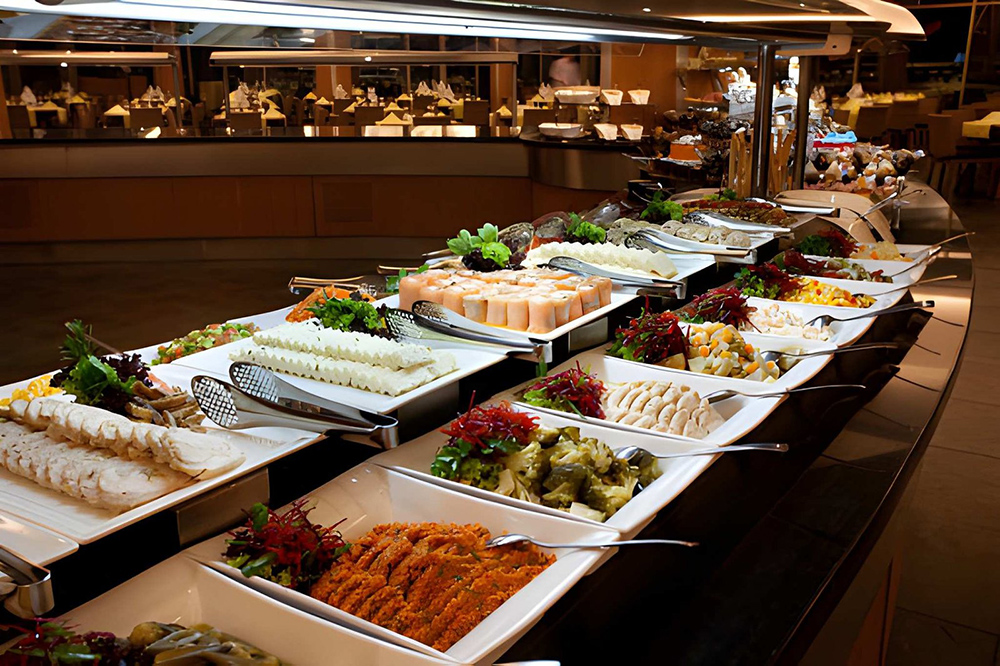
Food Waste And The Cult Of Abundance
To look fancy, buffet spreads at breakfast, lunch, and dinner are piled high with expensive exotic seafood and imported fruits & vegetables. This waste peaks at high-end banquets, where huge quantity of untouched costly food items is simply thrown away after the banquet. These food counters are made to look full and wealthy as the Banquet price is high. The convenience method of food preparation for the buffet is bulk cooking to save time.Food waste in luxury hotels is primarily driven by the aesthetic of abundance and unpredictable guest behaviour. Premium upscale hotels frequently rely on large-scale, all-inclusive buffets that must remain visually overflowing until the final minute of service, leading to large quantities of unconsumed, perfectly safe food. These food after the food shift or banquet are discarded due to strict health & hygiene regulations. Food waste is a major structural inefficiency in high-end hotel catering.
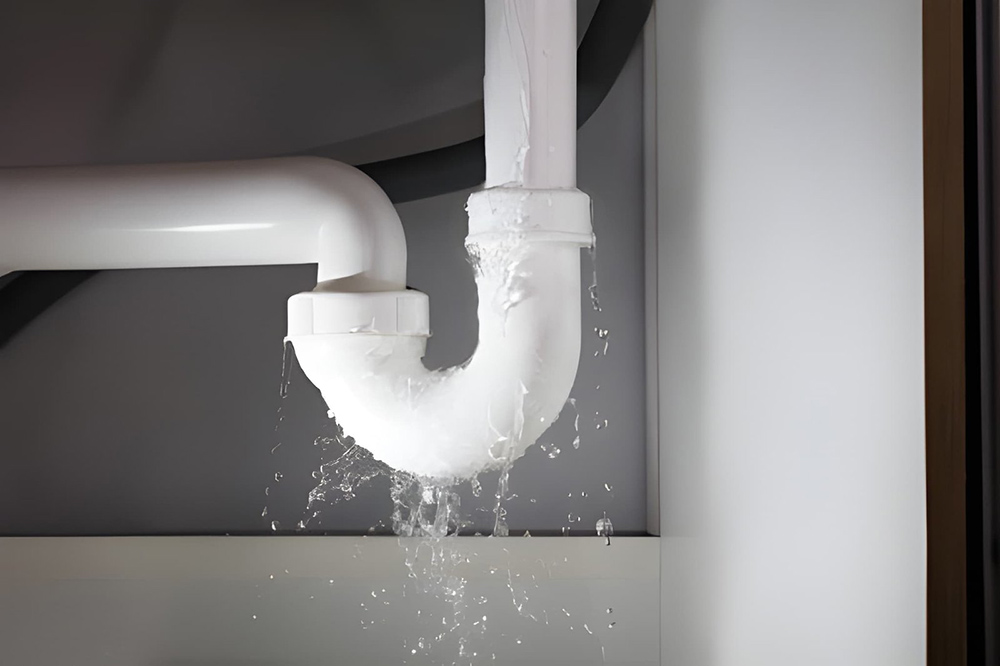
High-Volume Water Consumption
Water waste is embedded in the premium amenities and structural maintenance required by five-star luxury hotels. Luxury hotels consume more water per guest per room than standard business hotels. Laundering bulk linens, guest showers with high pressure, and bathtubs are the drivers of high-volume water consumption.Presence of landscapes, swimming pools and water bodies requires continuous, high-volume water supply and refills. Many hotels do not have water submeter to identify and monitor the quantity of consumption and water leaking which goes unnoticed and unattended. A single luxury room consumes up to 1,200 litres of water every day with bath tub facility and heavy showers constantly for years making the ground water table drier day by day. These luxury hotels waste a shocking amount of water, while the nearby local communities often suffer from water shortages. What an Irony?
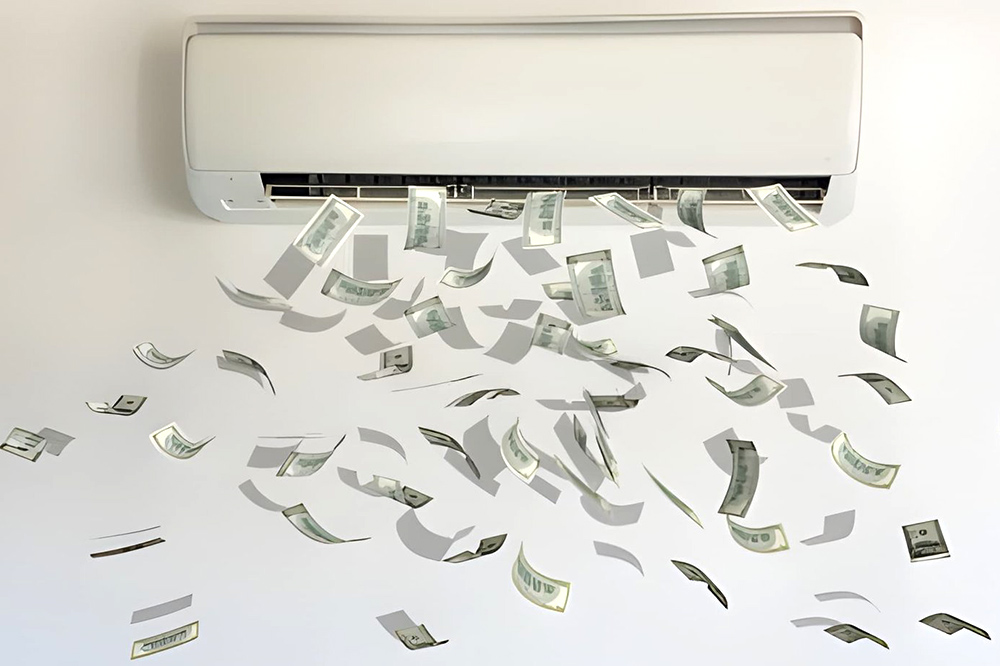
Continuous Electricity Demands
Electricity waste stems from the industry standard of maintaining absolute climate and atmospheric control regardless of actual occupancy in the hotel. Luxury hotels operate heavy-duty HVAC systems around the clock to ensure common areas, grand lobbies, and vacant suites remain at a prescribed regulated temperature. The luxury hotels provide the guests double room key cards for convenience.The guests themselves contribute heavily to this energy footprint, frequently leaving lights, multiple televisions, and air conditioning units running while they are out of their rooms. Architectural designs featuring massive glass atriums and high ceilings further compound this issue, requiring immense amounts of energy to heat or cool structurally inefficient spaces. The presence of the minibar in each hotel adds as a hidden the energy consumption too. It is understood that any food preparation or water consumption in the hotel will lead to energy consumption.
Self-service Buffet, during breakfast sees major food waste
Globally, the food service industry accounts for a good portion of municipal waste. When food matter decomposes anaerobically in landfills, it releases methane, a greenhouse gas with a warming potential higher than carbon dioxide which pollutes the atmosphere.The self-service buffet, during breakfast sees major food waste. It is observed that the items like half eaten Idli, vada, Parathas often left on the plates. Samber and chutneys are too found as food wastes in the restaurants. Further, food dishes under heat lamps or over the chafing dishes dries and loses its texture. colour and taste which makes the food unfit for reuse. Many guests prefer selective portions of food in the chafing dishes while few feel hygiene concerns. Under such premises of food waste in the luxury hotels, Ironically, we find people in slums close to the five-star hotels starve for a daily meal.
Let’s see few onsite measures by the luxury hotels to control the waste of natural resources
Food Waste-Preventive Measures
From unlimited Buffet to Unlimited to ala carte
Food waste is a major structural inefficiency in high-end hotel catering. Globally, the food service industry accounts for a good portion of municipal waste. Hence few hotels have started taking conscious measures to control the food waste in the luxury hotels.
Many hotels in India have shifted from the traditional practice of self-service buffet to Ala carte in Breakfast, Lunch and Dinner. This practice has seen few good results in controlling the food waste in hotels.
- The food waste is minimised as the food is prepared as per the orders and no excess consumption and wastage.
- Overcoming the guest’s indecisiveness to select food from a large pool of displayed food dishes.
- Hygiene and personalisation of the food for the guest. The chef makes the guests feel comfortable as the food is specially prepared for him.
- The hotels have started introducing more local food items to cut down the costs, easy availability and popularising the local cuisine.
- Reducing the number of buffet dishes.
- Displaying mindful messages discouraging food waste in luxury hotels banquets
- Few hotels have introduced smaller buffet plates, resulting less food wastes in Buffets
- Chef’s supervision during self-help buffet period resulted reduction in food waste
Such innovative practices should be followed by other luxury hotels too.
Reducing the water consumption
- The hotel sensitises the hotel guests regarding the volume of water consumed by the bath tub for each bath session.
- Laminar-flow faucets mix air into the water stream, cutting volume usage by up to 40% while preserving a high-pressure sensory experience
- Smart Infrastructure & Leak Detection mechanism
- Building Management Systems (BMS) instantly flag continuous flows (like running toilets) and execute automated shut-offs in unoccupied rooms.
- On-Site Treatment Plants (STP/ETP): Chemical-free plants filter laundry and sink greywater, yielding recycling efficiencies up to 80%.
- Dual-plumbing infrastructure routes recycled greywater back into guest toilets and large HVAC cooling towers.
- Smart Laundry Systems: Recycling laundry tunnels capture, filter, and reuse up to 75% of rinse water for subsequent wash cycles.
- Properties use automated drip-irrigation systems tied to weather data, using treated wastewater exclusively.
- Pool Conservation: Hotels Cover installations minimize evaporation while advanced filtration loops reduce the need for frequent water draining.
- Few hotels collect the rainwater, treat it and use for its domestic use and save water.
Reducing electricity use and saving energy
- The air conditioning system now adjusts its set point from 21°C to 24°C in summer. This small decrease, reduces the energy draw by up to 20%.
- All non-essential electrical fittings, decorative lighting arrays, and television systems are automatically disconnected from the grid via intelligent relays, to standby mode through Smart Switch/Key card.
- Installation of the motorized black-out drapes prevents the room from the solar heat, thereby reducing the load on the air-conditioning.
- The in-room minibar is another amenity undergoing an ecological transformation. To ensure guest rooms remain completely quiet, classic hotel minibars utilize absorption cooling technology. Many hotels now have removed the minibars from the standard rooms and provide it on request.
- Many hotels have started implementing the linen and towel policies in the room for the guests. It means the bedsheets and the towels in the guest room will be changed once in two days or three days. This policy has resulted in saving a good quantity of electricity and water.
- Installation of Sensor based lighting systems in areas like car parking and public restrooms and the sensor-based urinals have reduced the energy load on the hotels. Use of timers for street lighting and landscape by many hotels is resulting in energy saving.
What is the definition of Present-day Luxury?
Does the present-day hotel luxury give us an absolute passport to waste food, water, and energy in exchange of Money? If we understand so, then we have a fundamental misunderstanding of environment and ecology. The money and wealth cannot create new water tables, erase atmospheric carbon, or restore degraded land.
As the climate change impacts are manifesting in our planet, the hospitality industry can no longer hide behind a consequence-free consumption. The hospitality approaches in the luxury hotels should not prove to be hostile to the future mankind.
The resorts of tomorrow should prove that sustainability does not mean a return to the ancient days but to avoid unwanted mass consumption in favour of the natural resources.
Effective Guest Communication by the hotel:
While communicating environmental initiatives to an upscale consumer, hotels must avoid triggering guilt or a sense of limited service. The communication to guests must include heritage preservation, local community support, and wellness, and preserving our natural resources for our future generation.